If you have ever packed boxes with your cat in every single box or had your dog pacing around the house wondering what is going on, then you know that having pets the day you move is one big ball of chaos. Pets absolutely do not understand where their most favourite couch went when it is covered in plastic, nor do they understand who all the new people are that are coming in and out of their house with many pieces of furniture to take away. So moving day can be stressful and confusing and a little scary for your pet. However, if you plan ahead, you can make the entire process more manageable for your furry, feathered or scaly family pet. Here is your complete guide to moving house with pets and how to avoid as much drama as possible along the way.
1. Stick to Their Routine as Much as Possible
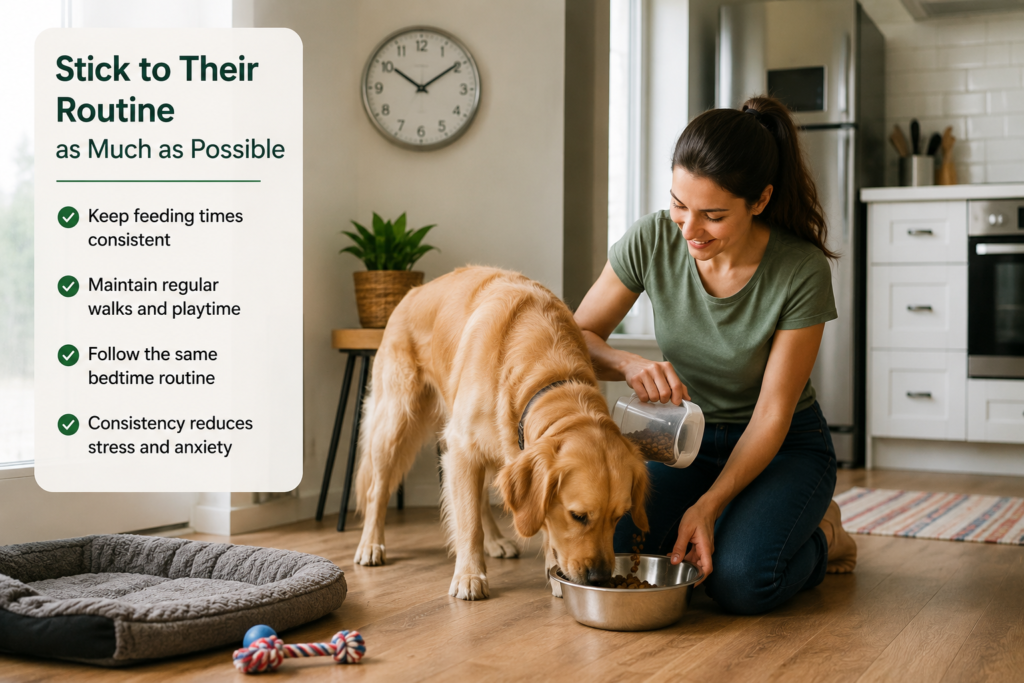
Pets do best when they have regularity, and a move generally is going to create a disruption in almost everything they know. You can help maintain the sense of normalcy for your pet by trying to keep food, walks, and play the same as you’ve had them in the time leading up to the move. By keeping as much the same as possible, even if everything around them is changing, it will help reduce their anxiety.
2. Pack Gradually, Not All at Once
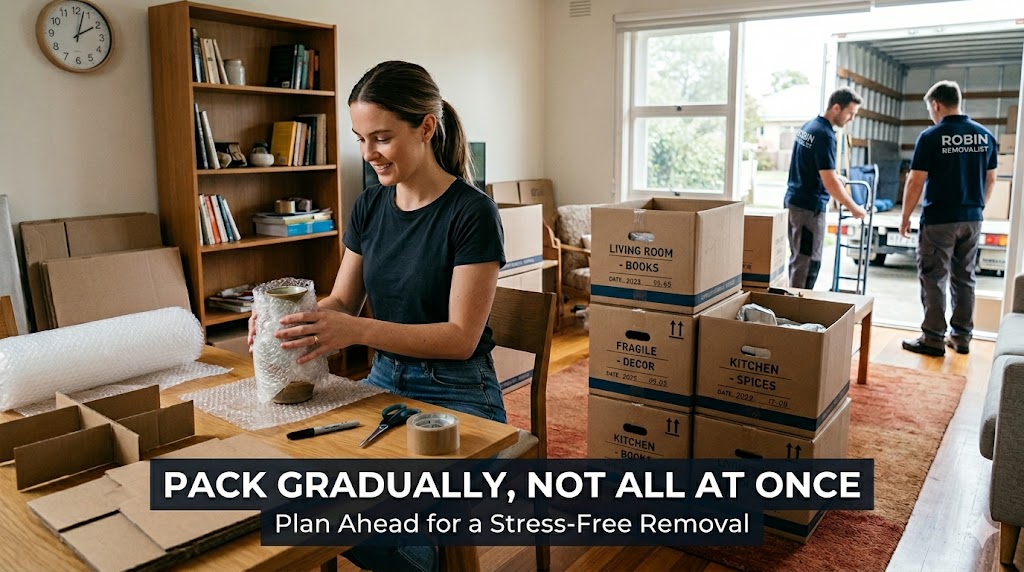
Padding out a house suddenly can create some anxiety for pets, especially if they have been used to a home as it was previously. By packing rooms over a period of weeks, this will give your pets a chance to adjust slowly as opposed to waking up one day to find their home has been completely emptied with them still there.
3. Set Up a Safe, Quiet Space

The chaotic day of moving into a new place often has lots of activity on it — boxes being moved in and out, doors opening, doors closing, a lot of different people (some you know, some you don’t) entering and exiting your new home. Establishing a quiet room for your pet with his/her bed, water, and favourite toys will encourage your pet to go there when they need to get away from all the commotion going on around them.
4. Update Microchip and ID Details Early
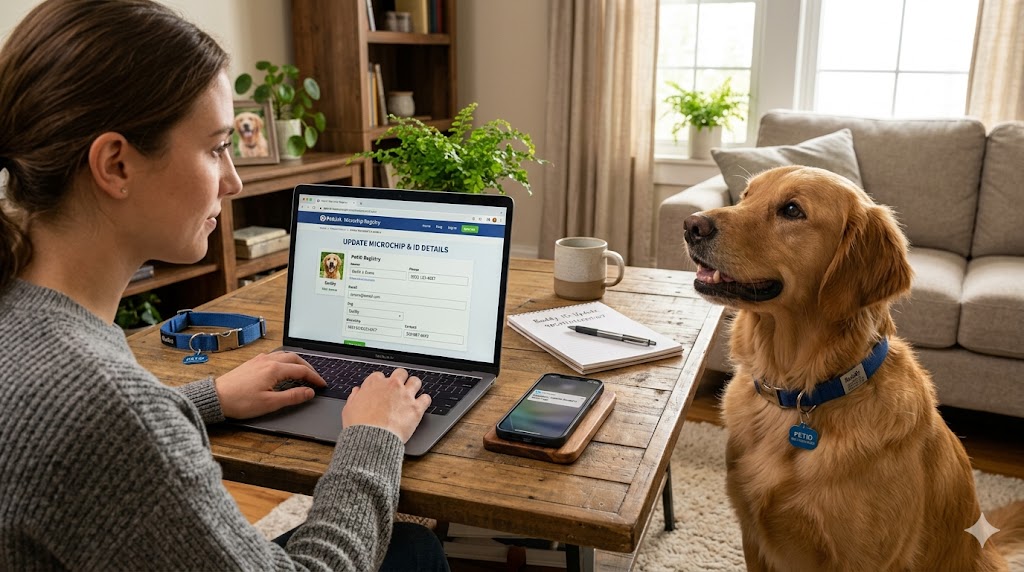
Don’t assume you’ve lost track of where your pet is now living if you don’t update their information on their microchip and ID tag after moving to a new place. Having correct information will improve your chances of being reunited with your pet if they go missing after being scared while you’re moving.
5. Plan the Travel Carefully
For quick trips, usually a secure carrier or harness in the car is sufficient and long trips will require frequent breaks. If moving across state lines, consider whether to have your pet transferred with you, using a pet relocation service, to be sent separately or check with all means of entry for state-specific requirements prior to your arrival. Places like Western Australia and Tasmania have a higher biosecurity level and should be reviewed prior to entering.
6. Visit the Vet Before You Go
Getting a health check for an animal before moving can be very helpful; older animals or animals who exhibit travel anxiety should have a health check. Getting copies of an animal’s medical records and finding a new local veterinarian before you move are good recommendations as well.
7. Settle Them In Gradually at the New Home
When you bring a pet home, try not to let it have access to all rooms immediately. Instead, give them access to only one room, with all their belonging (including bedding), and once they feel comfortable in that one room, give them access to the next room. As soon as they become accustomed to all the new sights, sounds, and smells of your home, give them access to the next room.
Final Thoughts
Relocating to a new home is a major shift for all household members, including your four-legged family members. Just like with everyday life, by keeping routines special to your pet, providing him/her with a quiet/positive area during the moving process, and taking it slow to introduce him/her to his/her new environment, this can reduce any stress associated with the move and allow for an easier transition to the new living arrangement for both your pet and you. If you choose to focus on getting your pets settled in prior to dealing with all of the logistics of moving, then the experienced moving crews at Robin Removalist can take care of the heavy lifting and confusion of moving day, so you can provide the attention your pets deserve most during the transition to their new home.
FAQs
My dog gets anxious with even small changes — should I keep him with me on moving day, or is it better to have him somewhere else entirely?
Your dog’s ability to cope with stress will dictate what you should do with regard to his living situation. For example, if he cannot cope with strangers, sounds, or open doors, it may be best to leave him with an acquaintance, family member, or a daycare facility. However, if neither option is available, try to create a quiet area away from where everyone else will be involved, like a separate room with his bed and toys.
My cat hides the moment she sees a suitcase — how do I stop her from disappearing on the actual moving day?
If you are moving you should keep your cat in one room with the door locked during the move so they do not run out of the house when there is an open door or hide in your house, making it difficult to find them as you are packing to leave. In this room they should have their litter box, food and a favourite blankie.
I’m moving interstate — do I need to do anything special for my pet, or can I just bring them along like normal?
When you are relocating interstate, research your specific destination state for relocations to ensure that you understand what other restrictions, rules, and regulations may apply to any pets moving into or out of the state. For example, certain jurisdictions (i.e., no matter how large the jurisdiction) such as Tasmania and WA have strict Pet Biosecurity Laws that must be followed when transporting pets across state borders. The method of transportation may impact how you transport your pet (e.g., by car, airplane or through a pet relocation service), which is especially critical if your animals are being transported over long distances.
How long does it usually take for a pet to settle into a new home?
The timing of when a pet will start easing into a change varies depending on the pet and how significant the change is; however, many pets can begin to feel some level of comfort after approximately 2 days to 2 weeks after the first change takes place. Maintaining your pet’s normal feeding and walking schedule can help create an environment that is more conducive to the adjustment process as well as providing access to the home gradually rather than immediately.