A New Home Should Be a New Beginning – New Hope – New Excitement – New Opportunities. Unfortunately, each year there are many people who have gone from a simple move to a financial disaster due to one incorrect decision along the way. Selecting the lowest-priced moving company without reading the terms and conditions, misjudging the volume of your household goods, not using insurance and more are all common reasons why you could wind up having your moving cost quietly double (and sometimes triple) before you know what has happened. Before making a single wrong decision that could lead to doubling (or tripling) your total moving cost, here are some things that you need to understand to help protect yourself.
Choosing the Lowest Quote Without Comparing Properly

It’s hard to resist such a good deal! You ask for three quotes for your move, and you choose the one that is substantially less expensive than all the others — after all why wouldn’t you?
The reality is that most low-priced quotes have hidden costs only revealed at the time of your move when the movers have your property loaded on their truck. Examples of these add-on fees include: fuel surcharges, stair fees, long-carry fees and after-hours fees. Many movers also use a “low-ball” strategy to secure your business by quoting you an unbelievably low fee to get you to sign a contract. However, once they arrive to load your belongings, they will find a reason to charge you more money than what you were told in the initial quote.
Instead of taking an initial quote at face value, it’s prudent to obtain a binding written estimate that itemises each and every fee associated with your move. In addition, be sure to obtain quotes from three different moving companies and compare not just the total cost, but also what is included in the total cost.
Not Decluttering Before Moving Day

Companies that remove unwanted items generally charge by the size, weight, or length of the move. When you are hauling ten plus years of clutter to a new home, you may wind up having to pay to have all of the items moved that you didn’t even care about to begin with.
Most people don’t realise just how much they own until they see it all together in boxes. More boxes equal longer move time, and consequently, a larger bill.
What is the best way: Start decluttering at least four to six weeks prior to the move. Sell, donate, or throw away anything that hasn’t been used in a year or more, and you will save on your move and start anew in your new residence.
Packing Incorrectly (or Not at All)

Packing improperly will cost you more money when you’re moving than anything else can. If something breaks from improper packing then it will need to be replaced — the cost could exceed the savings of having rushed through the process.
Not to mention that some moving companies will charge additional fees when they have to move heavy/bulky/poorly packed boxes due to the increased time needed to complete the job & because it creates potential safety hazards for their crew members.
How to do it right: be sure to use the correct packing materials, clearly label each box, and remain within the weight limits for each box (typically between 20-25 KG per box). If you’re not comfortable packing your own items, you’ll usually find that hiring a professional packing company will cost you significantly less than replacing items that break during transit.
Skipping Moving Insurance
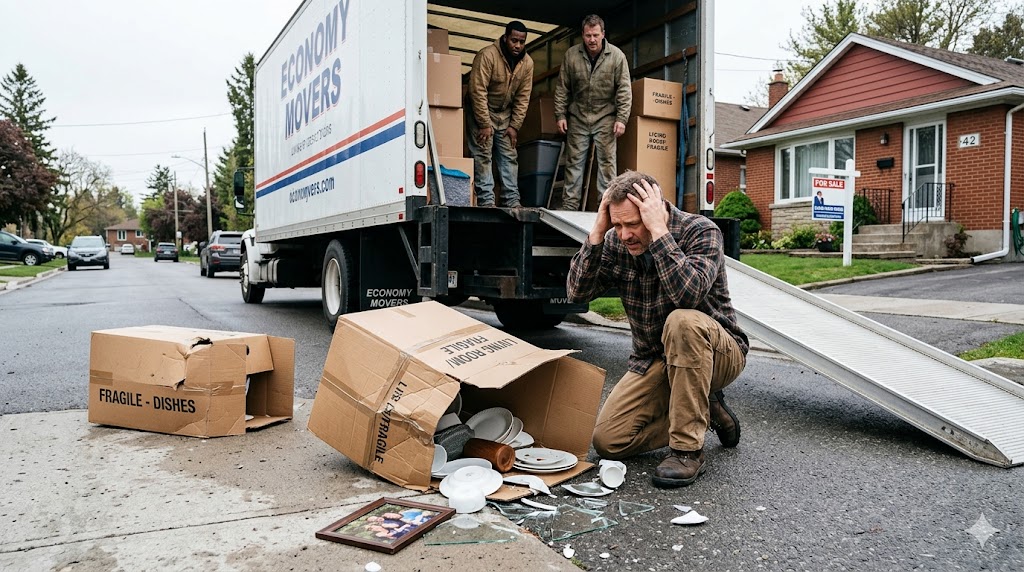
Many people think that home insurance covers personal items while being moved. In most cases this is not the case; in fact it may only cover a portion. If an expensive article of furniture/electronic device gets broken or lost when moving and you don’t have moving insurance you will be responsible to pay the full value for the item. Replacing some types of items (e.g. furniture and/or electronics) can run you hundreds to thousands of dollars. Consider discussing your removal company’s coverage policy with them prior to moving; if their policy is inadequate, be sure to purchase short term moving insurance that will cover the entire cost of replacing your belongings after being moved.
Booking at the Wrong Time
The majority of individuals do not know how the time of your move impacts your moving expenses. The cost of moving on weekends, holidays, the end of the month or summertime is often 20 to 40% more expensive than moving at other times.
When the moving company knows that you will not have many options left, last minute reservations can end up costing you much more because your negotiating abilities are limited and the moving company has more negotiating power.
Instead… if you have flexibility, plan to move mid-week/mid-month during off-peak times; make sure to book at least four to six weeks in advance for the best prices.
Conclusion
Making a move doesn’t have to be expensive if you don’t want to spend too much money on your move. The bad news is that it can happen easily if you are not careful about how to do this. The good news is that all the mistakes you can make while moving will be easy to avoid if you plan ahead and have the right partner working with you. If you want your moving experience to be professional, transparent, and truly stress-free, contact Robin Removalist today. Their services include honest prices from the first day of your move until your items arrive in your new home as well as providing safe transportation of all of your items. Their goal is for every customer to have a smooth transition from one location to another without any unpleasant surprises.
FAQs
Why did my moving cost end up so much higher than the original quote?
More often than most people realise, this is a common occurrence to many moving companies when they provide a simple estimate of services rendered without including additional charges such as fuel surcharges, stair carry charges, heavy item charges and after-hours charges. Therefore if you didn’t receive a detailed written estimate prior to moving day, these additional fees may quickly add up. Always inquire ahead of time, “Is this the final amount I owe or could this number change?”
I found a really cheap quote — is it safe to go with it?
Inexpensive estimates are not always terrible, but they require more deliberation. If a cost is much less than that of other companies, you should question why it is. Is there no coverage of insurance? Are there hidden fees buried in the fine print? There are many times when companies will intentionally charge a lower rate to obtain a contract and then later find a way to charge more once your items are loaded onto their truck. Have everything documented in writing before you agree to anything!
Do I really need to declutter before moving? Can’t I just sort it out at the new place?
It is possible to consolidate but you will probably be charged extra to do it. The most common way that removal companies charge is by either size, weight or time. Therefore the more items you have, the more time it will take, therefore costing you more money for the move. If you have decided to unpack your belongings after this move, you will be unpacking junk that you don’t require because there will be nowhere for each of them and you will have already established your living space. If you declutter your home before moving, it is far easier for you to have a clean slate to work from and the amount you pay will be decreased substantially.
Does my home insurance cover my belongings during the move?
Most standard homeowner’s or renter’s insurance and personal property insurance does NOT cover loss of property while it is being moved, and some will cover only partially the value of the property being moved. Therefore, it is important to read your policy to see what property is excluded and to speak with your mover about the liability coverage they have. If there are gaps in your coverage, the expense of purchasing moving insurance will be minimal compared to the value of the possessions you have moved.