Moving to a new house may seem simple on the surface, but once you’re actually doing it — surrounded by boxes, at least one piece of furniture that seems to have grown in size since you bought it, and faced with a tighter timeline than you thought — it’s quite a different story. Most of us have been in this place, wondering how this whole thing is going to come together. But have you ever considered what actually goes into the behind-the-scenes process of How Professional Removalists Handle Your Move? It’s much more than just a van and some strong guys — it’s a very well-organised process that takes place after planning and well above average knowledge and experience. The majority of people will only see the start and finish of their move; the real hard work occurs during the process. We’re going to pull back the curtain and show you how it works!
The Pre-Move Assessment: It All Starts Before Moving Day
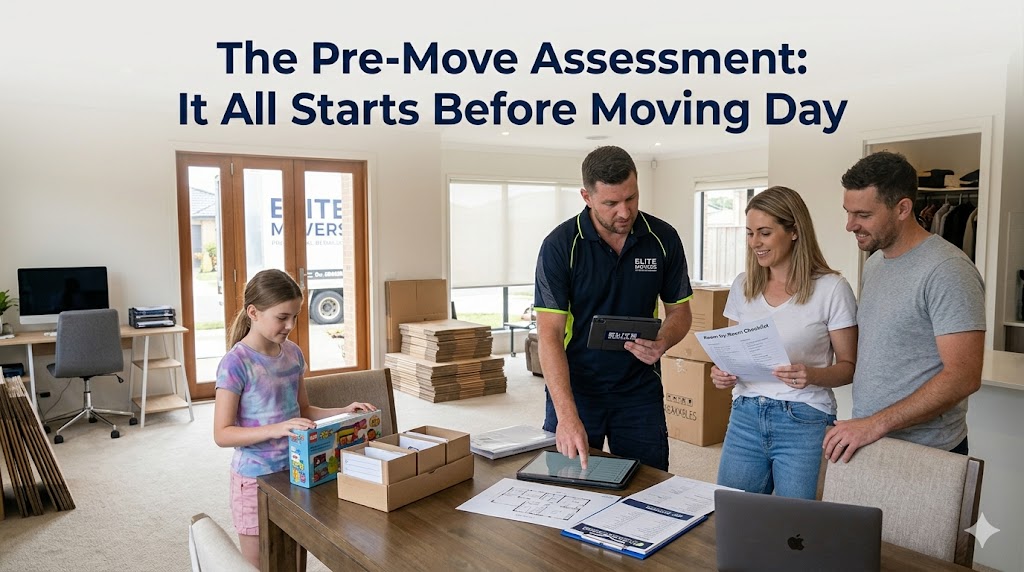
Before the first box is lifted by a professional moving company, their process starts with an in-depth pre-move evaluation. As part of this evaluation, they look at how many items you have, the layout of your existing and new home, where you will enter both homes (access points), the stairs/steps, the size of any doorways, and if you have any specialty items (i.e., piano, antique, oversized furniture) that need special care.
Once they have gathered this information, the moving team is able to make an accurate determination of what size truck they will need to use, how many crew members they will need to employ to complete the move, and an estimated total time to complete the move. It also allows them to identify any potential issues in advance so that you will not have any problems or surprises when it is time to move.
Packing: More Than Just Wrapping Things in Bubble Wrap

Professional removalists take the time to ensure that your belongings are packed into boxes in a systematic way where safety is their first priority and the efficient use of space is maximised.
All fragile items will be wrapped with professional-grade packing materials (i.e.- foam padding, moving blankets, and reinforced boxes) in order to protect them. The heavier items will be placed into smaller boxes to avoid overloading them while the lighter/bulkier items will be placed into larger boxes. The removalists will also disassemble any furniture (where appropriate) and wrap it accordingly to prevent scratches and/or dents when transported to the new home.
Removalists will attach a label to each box in order to keep track of where it should go in the new location and therefore facilitate an efficient unpacking/unloading process at the new home.
Loading the Truck: A Science, Not a Scramble
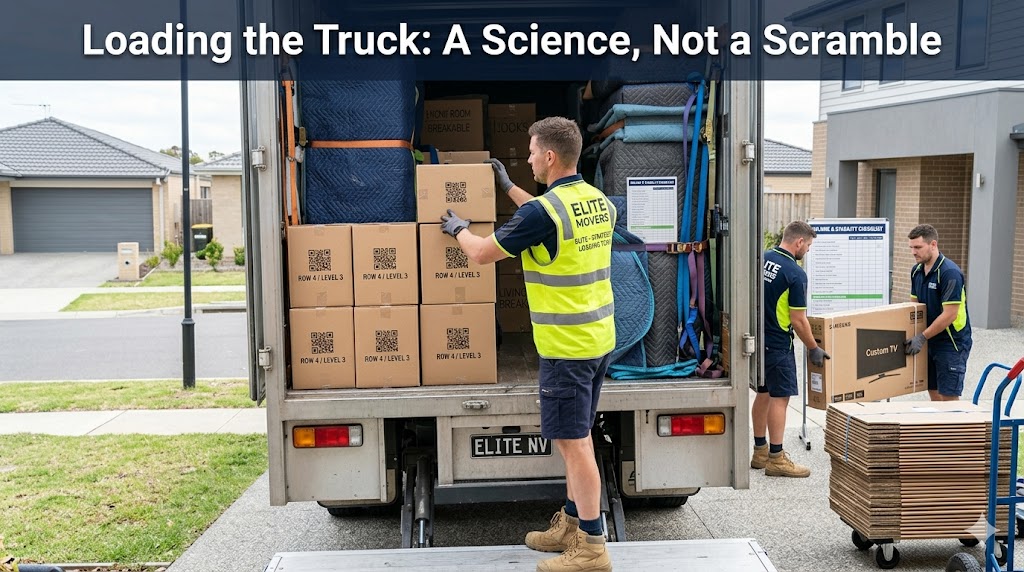
To safely load a moving truck, one needs to have an understanding of how the load is balanced. When loaded correctly, an item will not be permanently damaged while being transported. Traditional load sequences use a specific method of loading heavy to light (i.e. heavy furniture and appliances are loaded first to create a solid base) and stacking fragile, lightweight items on top of the secured heavy items and protecting the lighter items against the side of the truck (i.e. dunnage, strapping, etc.).
Securing items so that they will not move or be damaged during transportation is the primary goal of professional movers. There is no luck involved in transporting furniture without damage; it is all achieved through the use of proper loading techniques and the experience of the mover.
Transit and Logistics: Keeping Everything on Track
A professional removalist service must consider a large number of logistics (planned routes, back-up plans for delayed travel and coordinating arrival times between different crews so that everyone can access the new property) rather than simply driving from point A to point B, hoping that traffic remains clear and cooperating nicely.
For long-distance and/or interstate moves, this logistics becomes extremely important. For example, other factors, such as temperature sensitive items, timing of property settlements, secure overnight storage (when necessary) and etc., will all be accounted for well in advance.
Unloading and Placement: The Final Stretch
When professionals arrive at the location, they don’t just drop everything off out front. They will carry your items to the appropriate room, reassemble your furniture, and put together any disassembled pieces. The team will work methodically so that your new home is set up in a way that is logical to YOU.
A good removalist will also ask before placing your items; this shows respect for the fact that you have lived in your home longer than they have.
Post-Move Checks: Making Sure Nothing Is Left Behind
The last thing removalists usually do before they leave the old house (and arrive at the new one) is to do a final walkthrough of both properties. This is carried out to ensure that nothing has been left behind, no damage has occurred during moving and that all of your belongings are safely and in good condition; all better. Issues raised during the walkthrough will be addressed before the removalists leave your property!
Conclusion
Moving is a complex process that requires an enormous amount of knowledge and expertise. Many people don’t understand this until they actually go through a move themselves. If you want to have a good experience when moving, then you need to get the right team together to help you. The proper team will make the difference between an incredibly difficult and stressful experience and a smooth, easy experience. When you are preparing to move and need the assistance of a crew that provides its services in a carefully and with a great deal of professionalism, then you should consider using the services of Robin Removalist. They perform the behind the scenes service that allows you to focus on the enjoyable aspect of moving, which is getting settled into your new home.
FAQs
Do I really need to hire professional removalists, or can I just do it myself?
Depending on the size of your moving efforts, there will be DIY projects for you to consider. Many people that attempt a DIY move, usually regret doing so. By the time you rent a truck, purchase packing supplies, and ask friends to help (who may or may not show up) there is a significant chance you will end up with damaged furniture or cause injury to yourself. Professional movers usually save you money and time. Use professionals to help you with your move each day. The amount of time will greatly vary when you have someone doing it every day (i.e., what takes you a weekend could potentially take them an hour).
How far in advance should I book a removalist?
It’s always best to book your move early (ideally 2 – 4 weeks) especially if you’re moving on a weekend or at the end of the month. If you are moving out of state or making a large move you should give yourself at least 4 – 6 weeks if possible. Last minute bookings can sometimes work but usually you’ll have less choices and higher costs when you do it at the last minute.
Will the removalists pack everything for me, or do I need to do it myself?
Many professional moving companies provide two options for packing: Full service packing and self-pack and only have heavy items moved. A full-service moving company will pack everything you own from the glassware to your closet – or you may want to pack everything yourself and only have movers take care of heavy items, lift and transport. However, if you have any fragile, expensive or odd-shaped items, we suggest that you allow the professional movers to pack those!
What happens if something gets damaged during the move?
Removalists with a good reputation provide insurance for any damage that could happen while in transit, so always ask what kind of coverage they provide prior to booking them for your move. Additionally, find out if your home and contents insurance policy covers your belongings during your move, especially if anything gets damaged. Reputable professionals will have a procedure in place for filing a claim if anything is damaged, so make sure you find out how their claims process works before moving day; don’t wait until the day after to learn how to file a claim.